Home
Today at Native Meadow #52

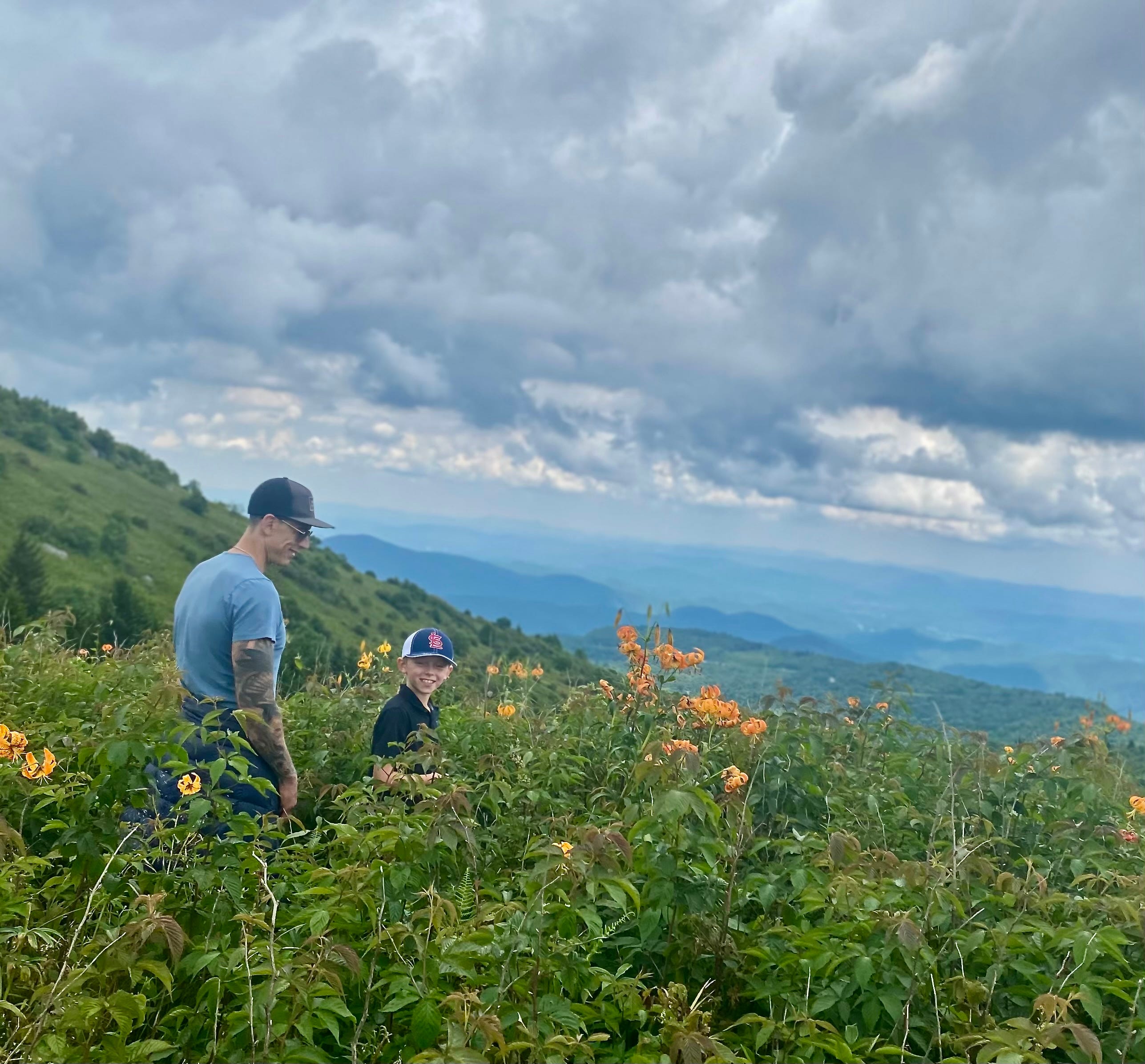
Her name was Taraneh Farboud. We met in 1971 as freshman at the College of William & Mary, bonding instantly as disruptive feminists, lighting up cigars after dinner in the dining hall, not because we smoked, but because it drove the frat boys, both horrified and fascinated by us, up the wall.
She wore a minimum of 15 silver bracelets and these gave a merry soundtrack when she shook a black pepper topping a full inch deep onto any piece of meat she ate. Taraneh took 45 minute showers and was quite shocked to learn that her period did not exempt her from class or exams or that her professors did not support her usual response to that cyclical event which was to go to bed for several days with a big bottle of expensive brandy.
Taraneh was from Iran. Her father was an ambassador for Shah Mohammad Reza Pahlavi whose progressive, but failed, White Revolution was Taraneh’s cultural home. It was the White Revolution which gave Iranian women the right to be educated and to vote in 1963.
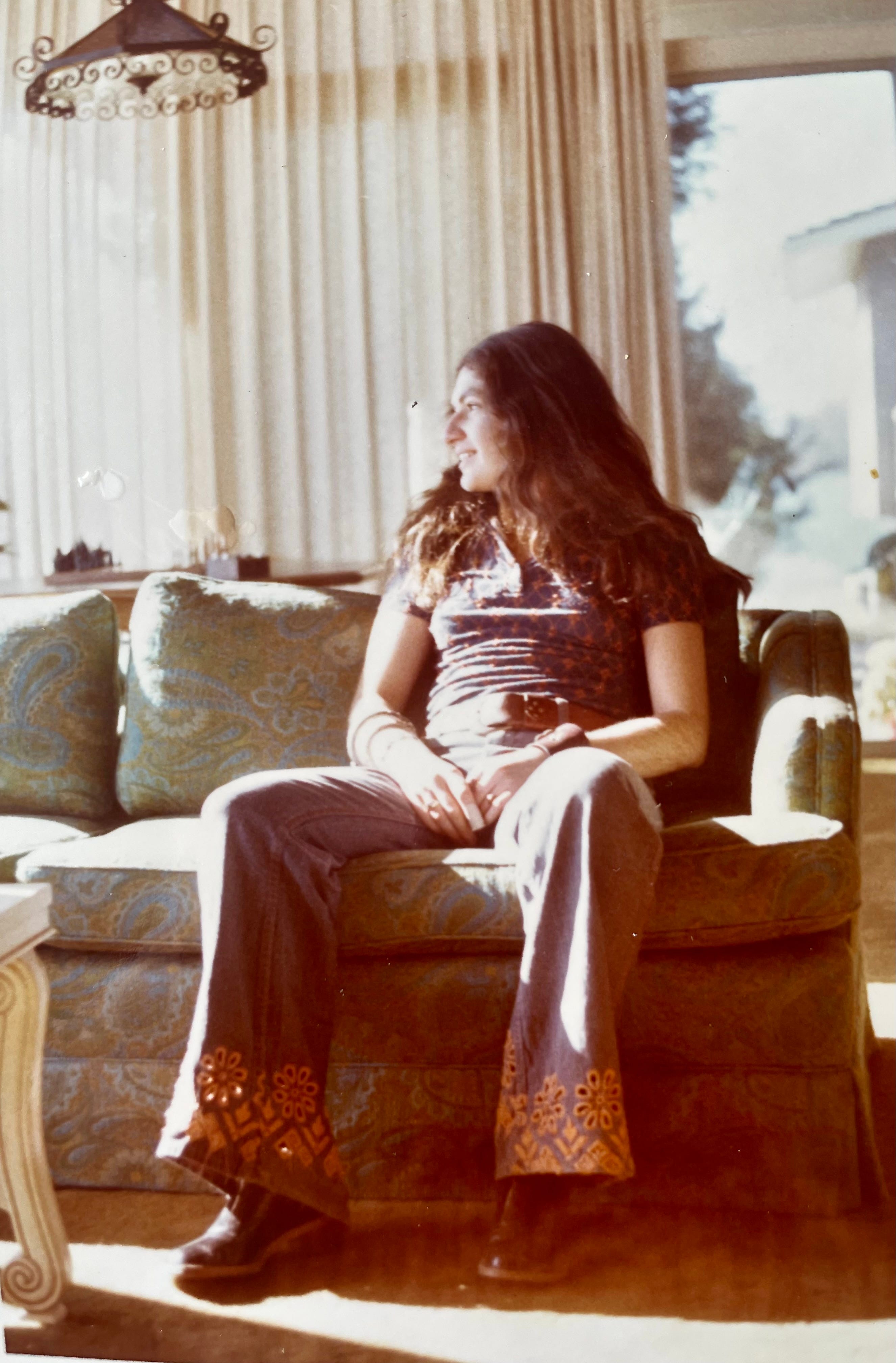
Her mother was Russian and I remember Taraneh telling me a story about how her little brother heard and knew so many languages as a diplomat’s toddler that he mixed them all together in such a way that no one could understand him, switching from Farsi, to French (where the family was once stationed), to Russian within any given utterance. The result was a temporarily debilitating stutter.
Taraneh told me that if I visited her in Iran, there would be neighborhoods even in Tehran where we would be stoned to death for showing our hair. In Williamsburg, in 1971, we delighted in showing our young beautiful bodies as a way of claiming them as ours.
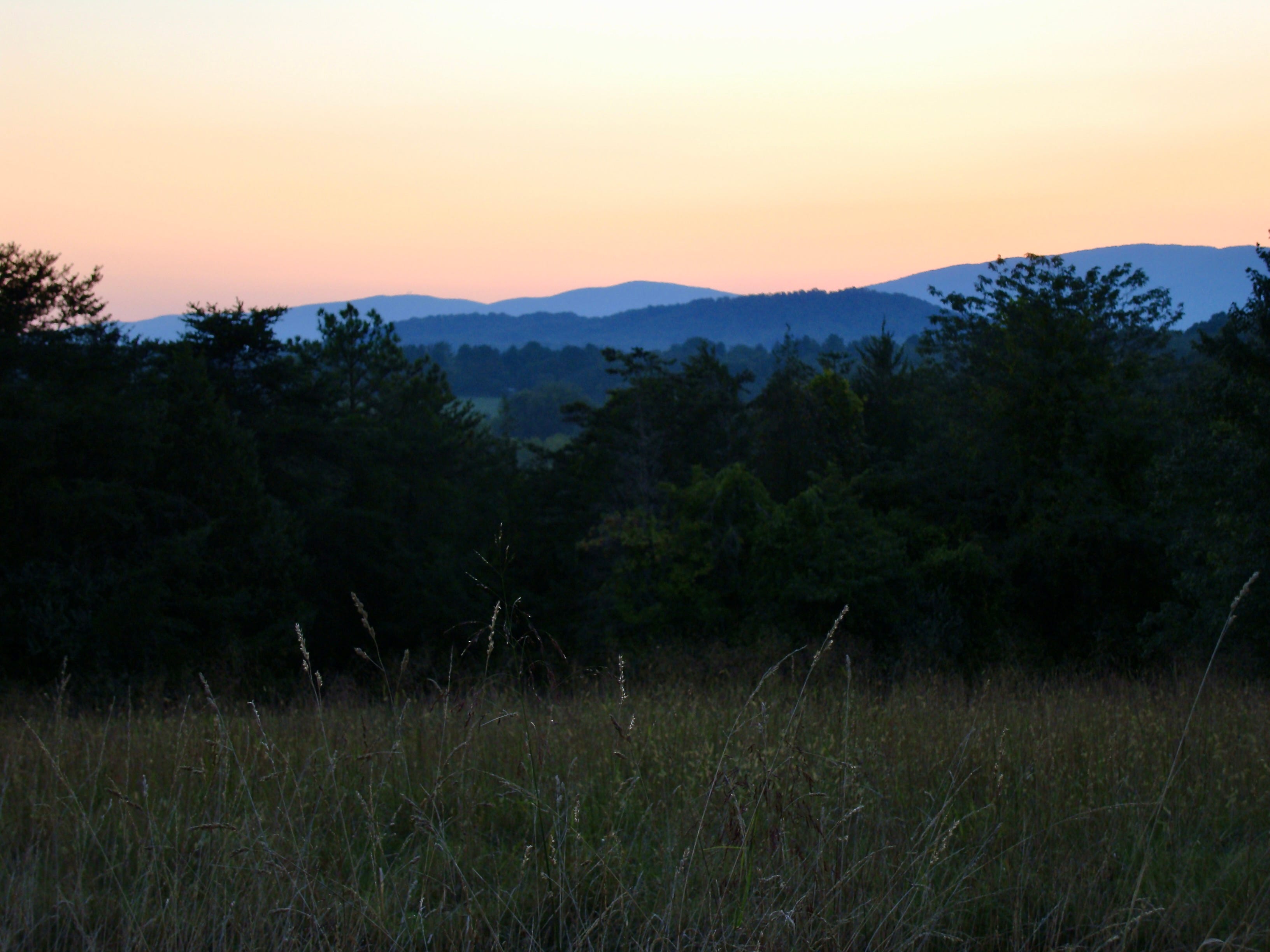
“The Blue Ridge, part of the Appalachian range, was created by the uplifting of the Earth’s tectonic plates 1.1 billion to 250 million years ago. At over 1 billion years of age, the Blue Ridge Mountains are among the oldest in the world, second only to South Africa’s Barberton greenstone belt.” -Friends of the Blue Ridge Mountains
One spring break, I took Taraneh home with me to Roanoke. There were several of us car pooling and we hit the area near Staunton just as a magnificent sunset began. “Oh my God, look at the mountains,” exclaimed the Virginians in the car over and over, expressing joy as we returned to our ancient peaks from the flatland of Williamsburg.
“Oh, my God, look at the clouds,” exclaimed Taraneh until I realized that she thought the mountains were clouds, knowing, perhaps for the first time, that our mountains, with their vast range of blue were unique and that my friend saw them, not as mountains, but as clouds.
Not unlike her country, Taraneh’s new freedom unbalanced her and she became ill and left the college before finishing. In Europe, she became well again. When the Islamic Revolution took over Iran in 1979, her letters ceased.
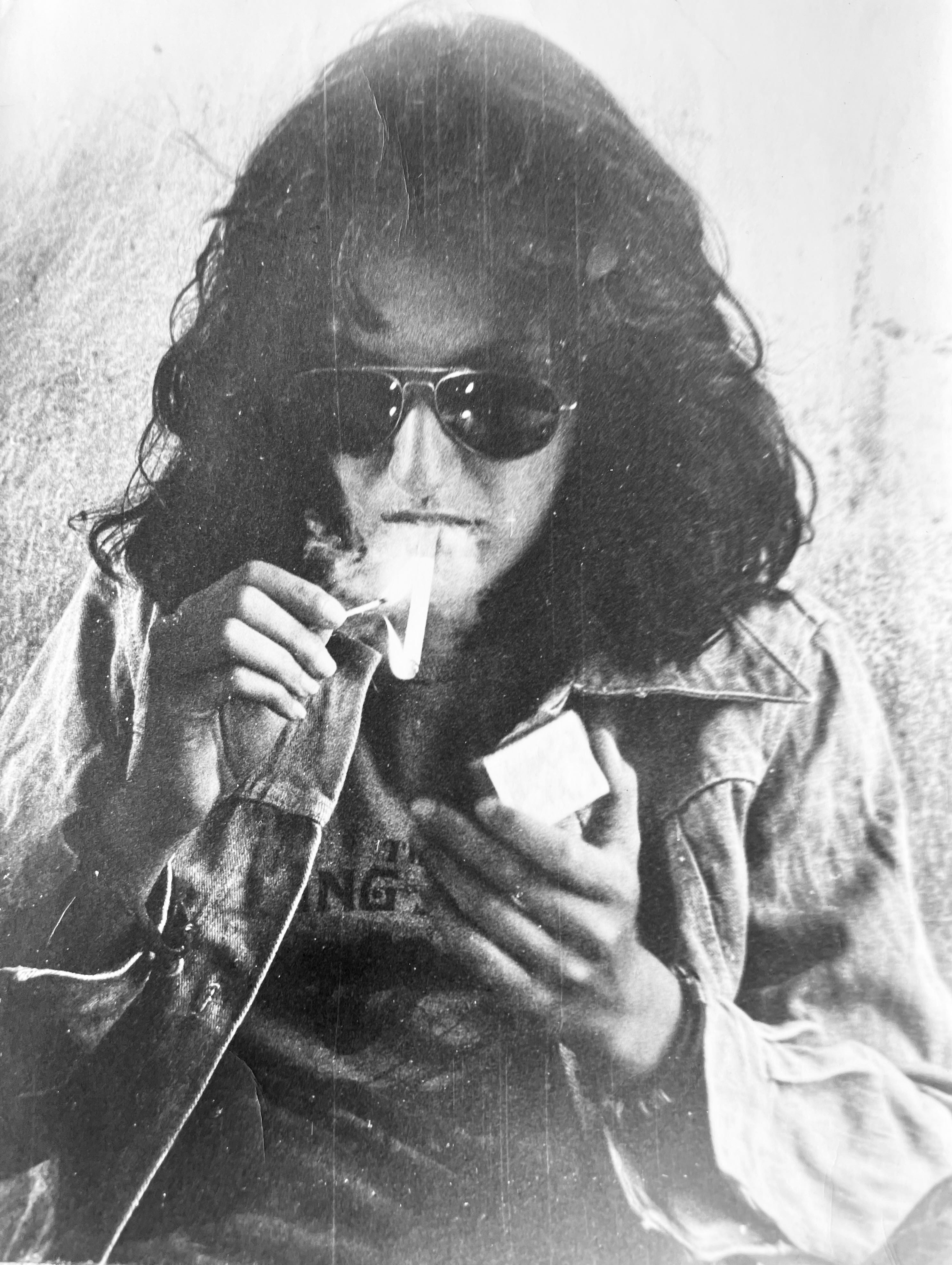
Early in the 80’s I got one phone call, static filled, click filled, whispered urgency. She was in Paris. She could not talk long. “They were listening.” “She loved me.” “Missed me.” Click.
None of the on line ways to search for someone I go to and periodically look for her existed then or find her now.
There is a impenetrable Facebook page in Paris with her name. Is she at home in Paris? Is she alive?
Here at Native Meadow with views of the Southwest Mountains which run parallel to the Blue Ridge and are also blue, I am supremely at home. Last week when I again voiced my distaste for travel, one young friend described me fondly as “planted”.
Being “planted” is a great deterrent to the flight urges I receive daily from the state of my nation. It is a great privilege, anchor and grounding much to be desired.
In this time of increasing forced migration, the idea of home for many has been flung or bombed high into the air with pieces and people falling down in unknown places and by necessity sprouting new ideas of tribe and place.
And so I remember my friend Taraneh, who was blasted out of a country and a culture, out of all the realities she knew and held dear and I can only pray she has made a new home, a new tribe wherever she has fallen.
I love those charts of the Milky Way with a white arrow pointing to the tiny speck that is Earth saying “You Are Here.” In one way, we are the only species capable of this kind of knowing how small and mortal we are and in another way, a species that knows so much less. If we were suddenly lifted aloft and able to fly, could we read the magnetic maps of our own earth and go where the sun would sustain us during a time of cold and dark?
Do we have anything left of a homing device or has this been utterly subdued by a cultural permission and a capitalist imperialist imperative to roam the earth? Has this roaming given us the ability or even the wisdom to transplant ourselves into geographic, cultural and spiritual landscapes that are good for us?
I think we are about to see.
_____________________
A Note to Readers:
At #52, this is the last weekly essay of “Today at Native Meadow” I promised myself I would write. I am deeply grateful to those of you who have become readers and hope that you will complete your reading of this series and find reasons to come back to it.
I will add more to this space when new learnings and wisdoms arrive, but for now, I am heading back to the landscape outside my studio and will try, as ever, to let it teach me more.
Thank you.
k

______________________
Sources & More:
Iranian Revolution: https://en.wikipedia.org/wiki/Iranian_Revolution
White Revolution: https://en.wikipedia.org/wiki/White_Revolution
History of the Blue Ridge for Friends of the Blue Ridge Mountains https://www.friendsofblueridge.org/our-mountains/mountains-history/
Why Are the Blue Ridge Mountains Blue? Lisa Cericola for Southern Living: https://www.southernliving.com/why-blue-ridge-mountains-blue-11856134
So proud of you for this beautiful body of work. Will cherish it
always✨
Now I have to go back and start from the beginning — thank you for all these beautiful posts!