Hope Garden
Today at Native Meadow #37

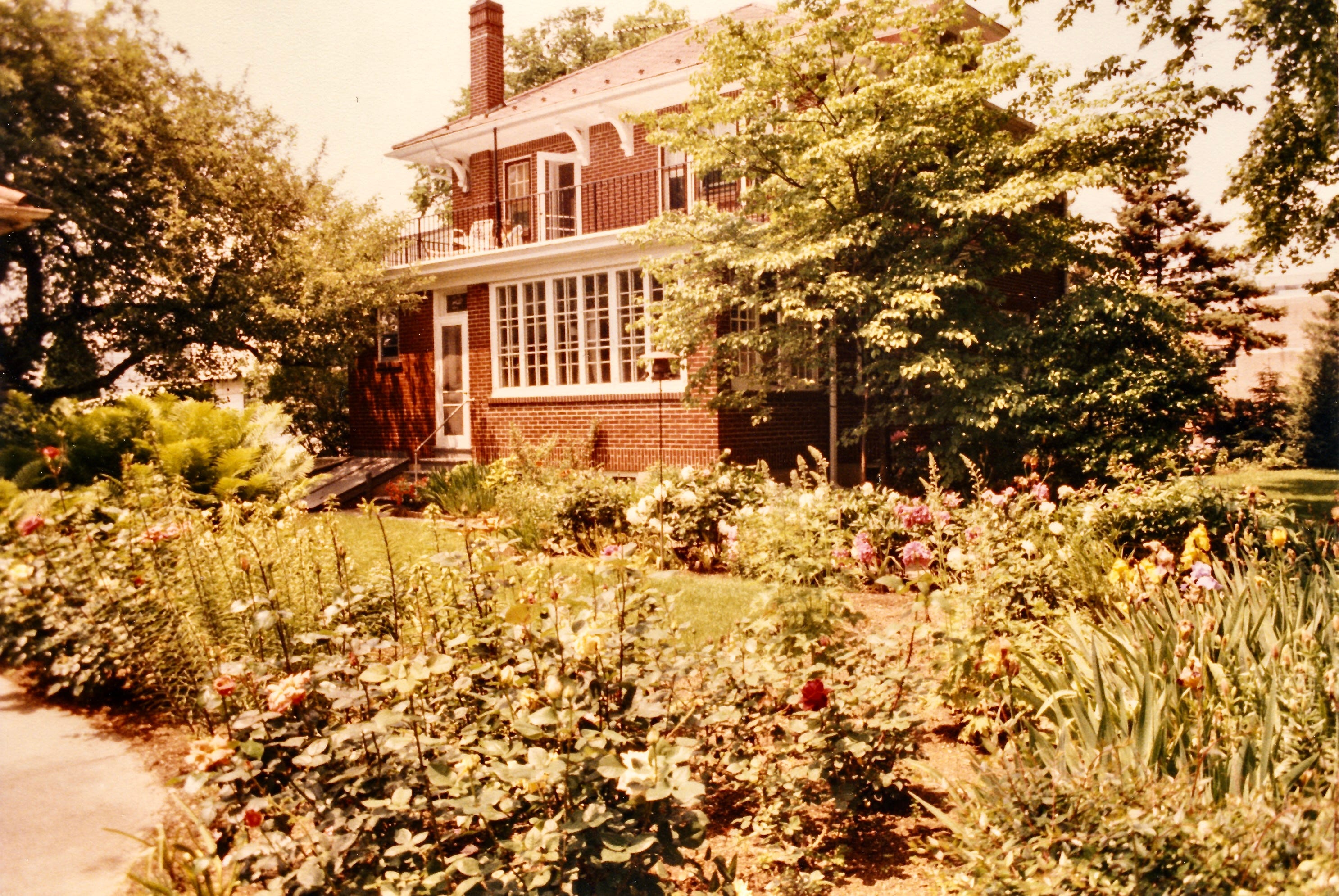
The first house my wasbund and I owned had a tiny garden of about 1/8 acre in Allentown, PA. We bought it from the kindly Reverend Yost who had spent his retirement years flower gardening that small footprint and so it had a little of everything and a great preponderance of bulbs.
It was in that garden that I first met Regal Lilies and it was their intoxicating scent that led to the naming of our daughter.
In those days, there was a tradition of a final walk through and the new buyers would come and walk through the property with the sellers the day before closing. Yeah, folks actually met each other and talked.
We had actively resisted robbing this little paradise of anything as it just did not seem right to us, even though by then, the garden held plants we ourselves had put there, including things from our mothers and grandmothers and friends.
After their inspection of the house, we were excited to take the new buyers out to the garden and show them where things were and tell them when flowers would come up and bloom. It was then that both my wasbund and I slowly began to realize that they did not give a hoot about any of it and that they were planning to pave many of the most prolific beds for parking.
When they left, with one look and hardly a word, we both began to dig. The moving truck was coming early the next morning, our babies were already with my parents and we were both exhausted from our first big move. Still, we dug. The very end of that big truck, our first, held two rows of plants.
Some of them actually made it and were themselves moved from house to house, from garden to garden for years to come.
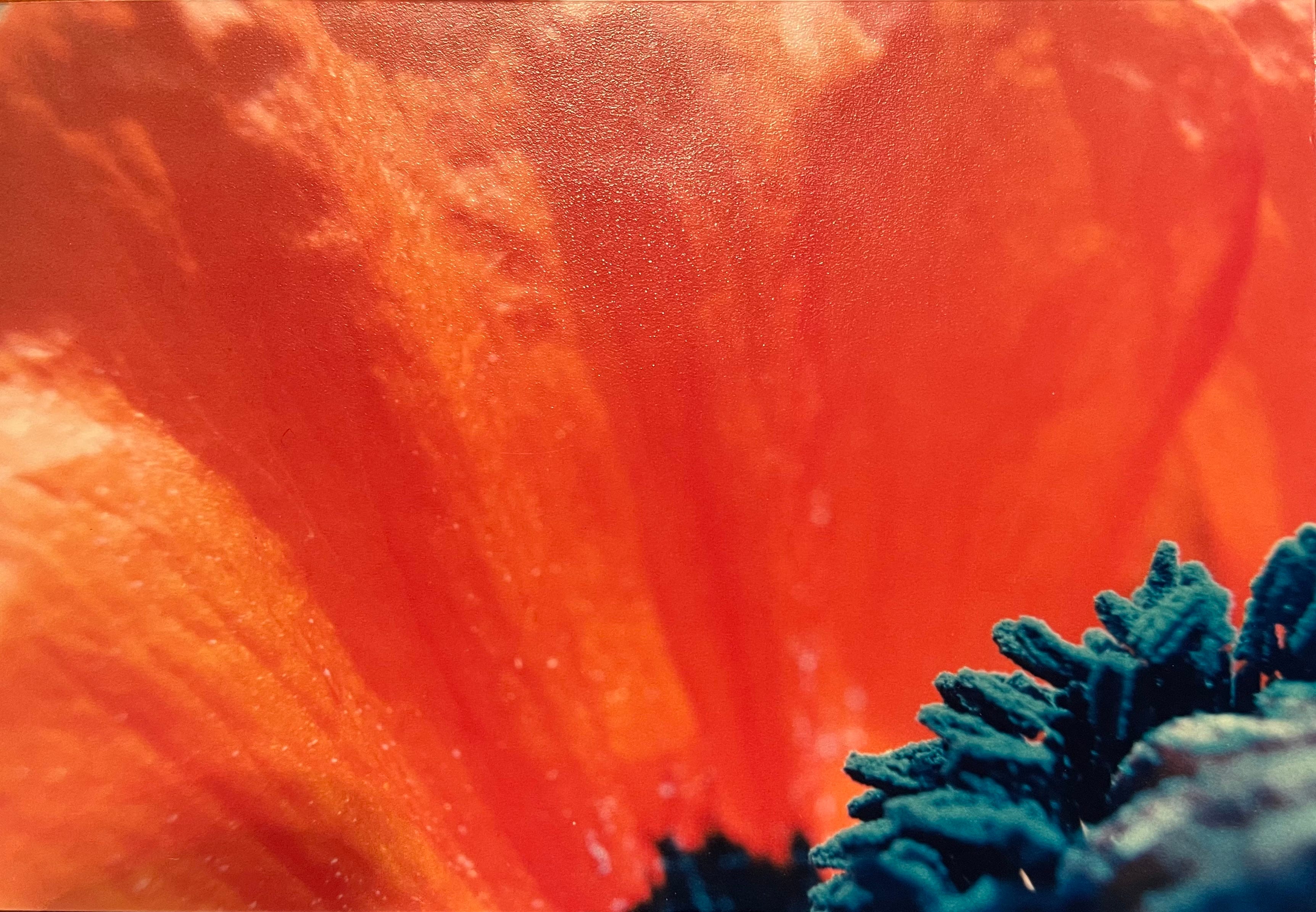
Irises of dark burgundy and gold. My grandmother’s poppies. A lilac from a Pennsylvania friend.
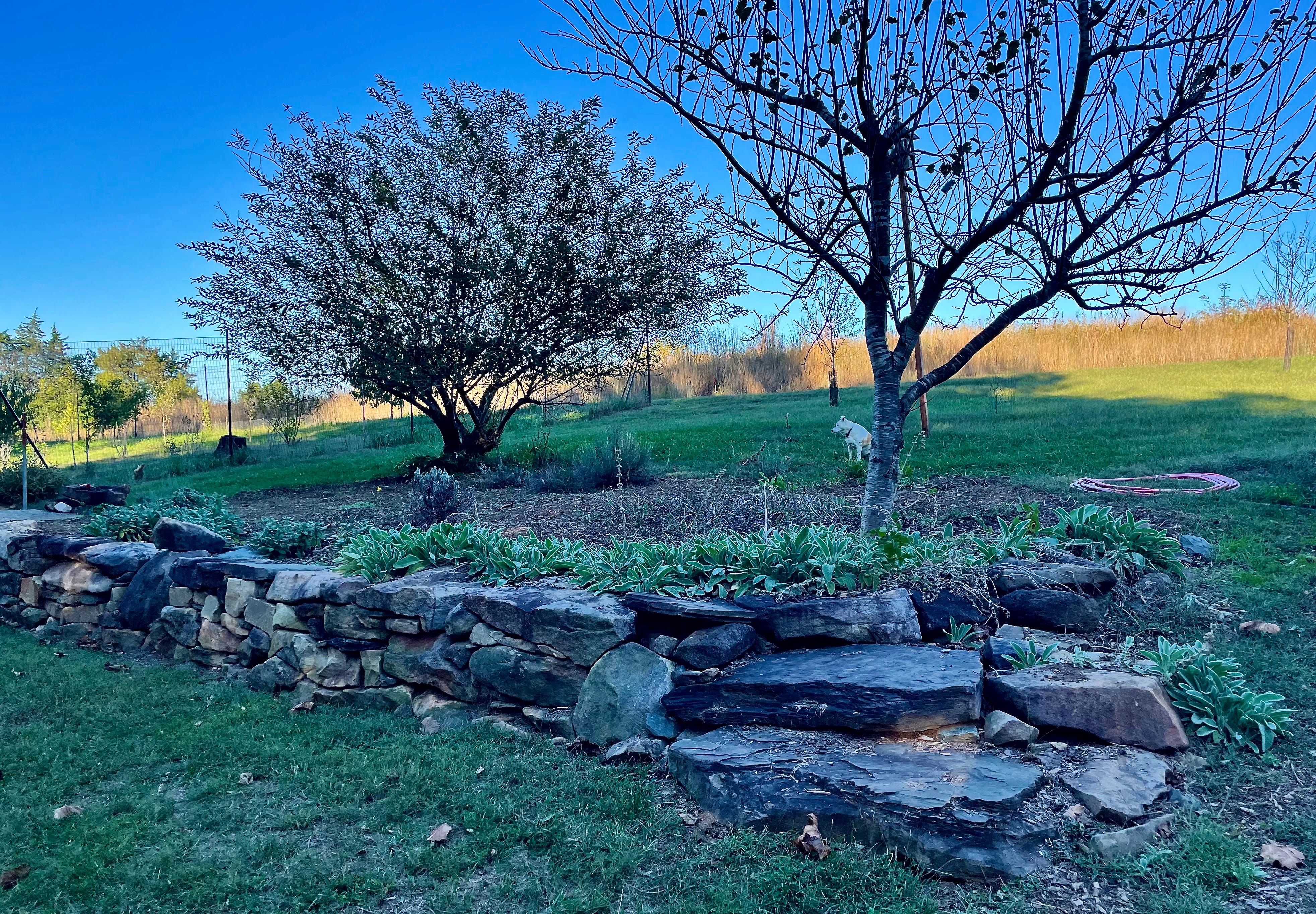
When I first gained the land at Native Meadow, long before house here, I made what I called the Hope Garden, a leveled and deer fenced area with a stone knee wall and good soil. As things needed to be divided from the gardens at our last house together, I put a little of each thing into the Hope Garden with the idea that when my house and new gardens were made, they would be there. Promises of continuance, many of which still remain.
When I first lived here and those flowers had their new homes, the Hope Garden became a place for more edibles, those that took big space: green beans, squash, melon. Even a feeble attempt at corn. Towering sunflowers. A pussy willow that to my astonishment has now become a tree.
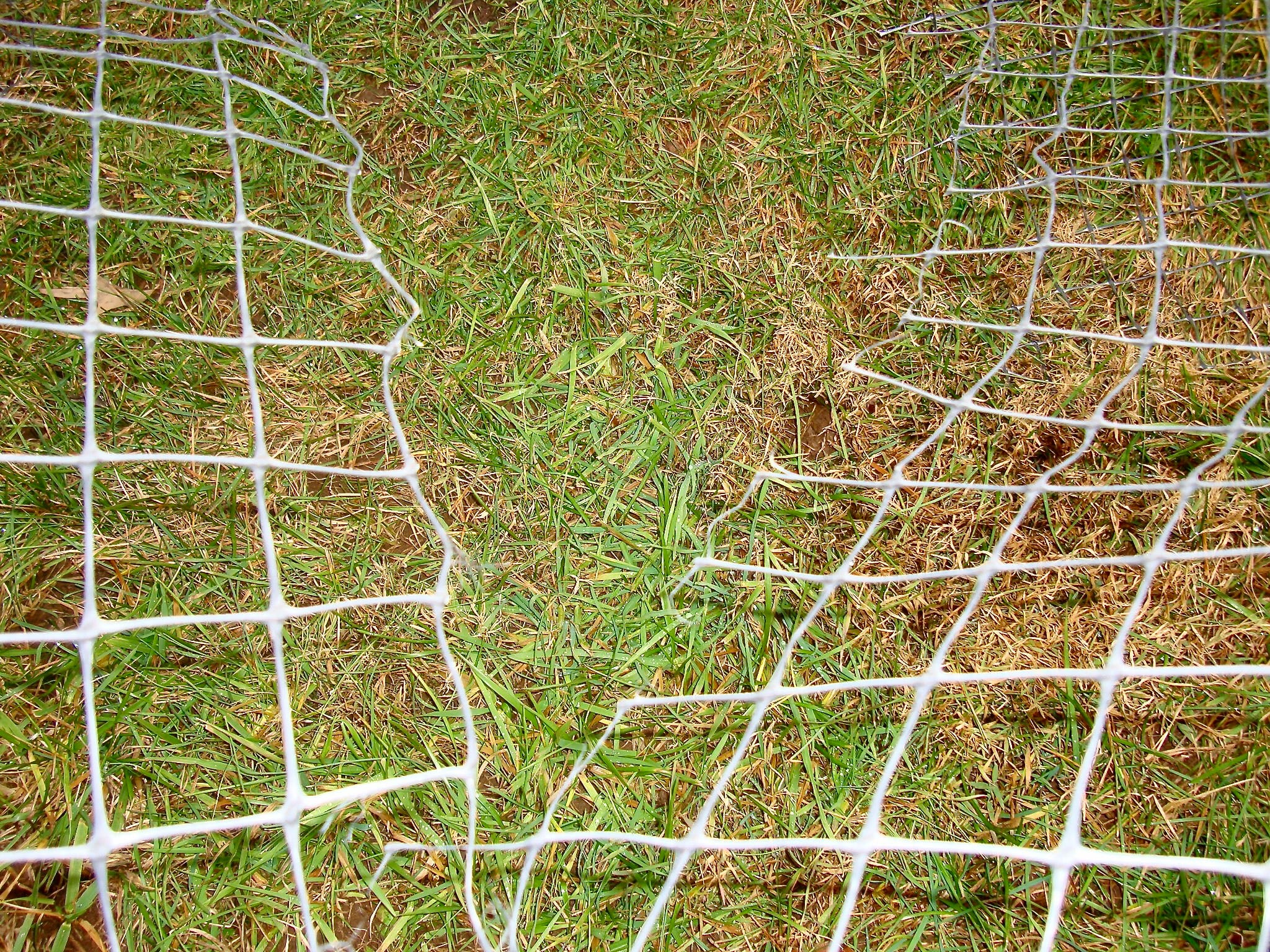
Nearby were the first bee hives. Then the bear came, as I have written of in “What the Bees Said: Today at Native Meadow # 7”. He demolished our hives and either with his claws or the weight of his climbing, ripped the deer fence open like a zipper both where he entered and where he left.
At one point the stone retaining wall began to lean and tumble and had to be redone. Stone mason, Tom Elliott, capped that off with a panther head stone where I used to hide forbidden cigarettes and now just admire.
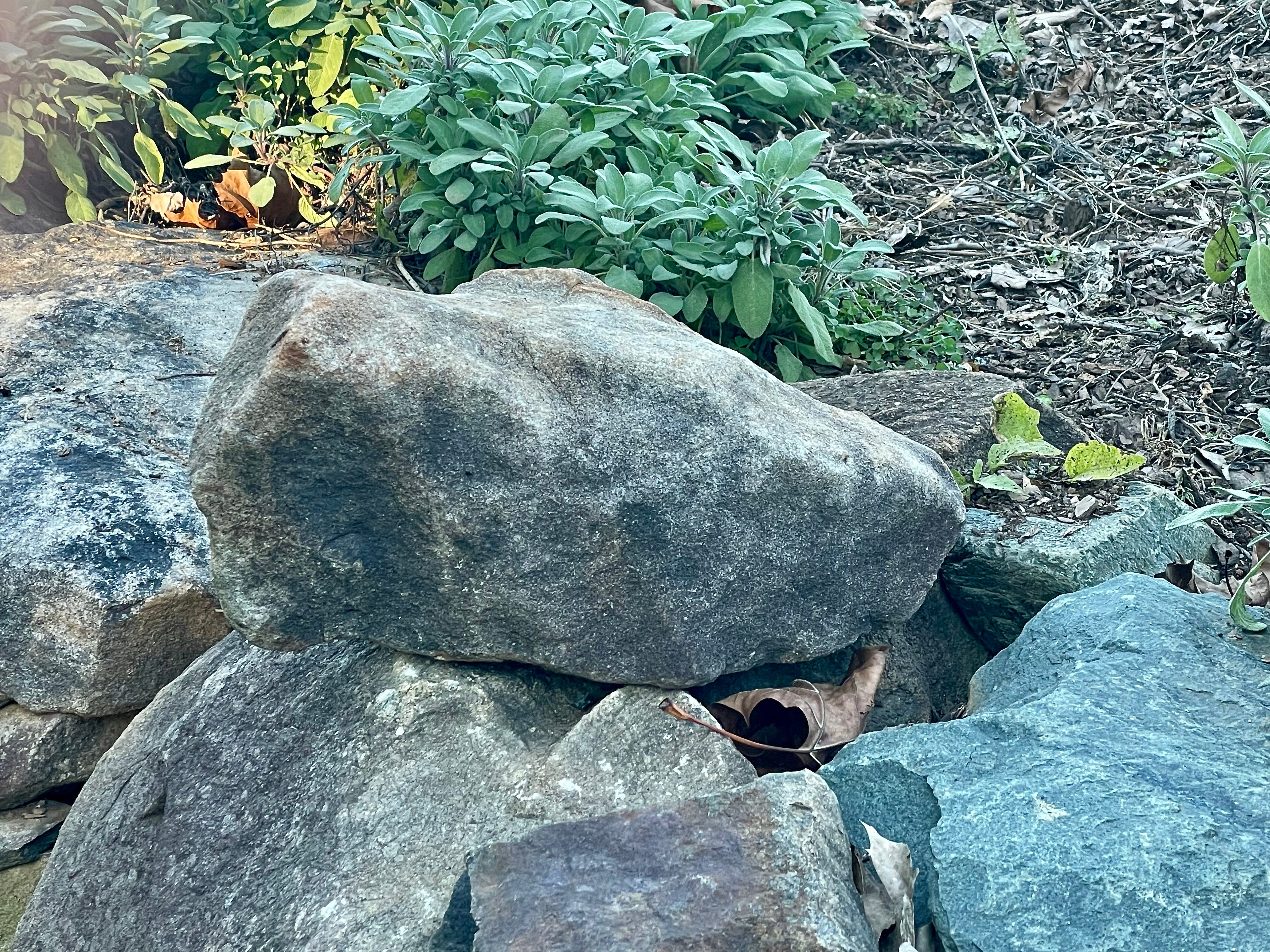
Today, when we have the hoop house and new deer fenced raised beds, the Hope Garden’s use is somewhat uncertain, but at its inception it was an important personal bid for continuity, preservation of beauty, for forward mo.
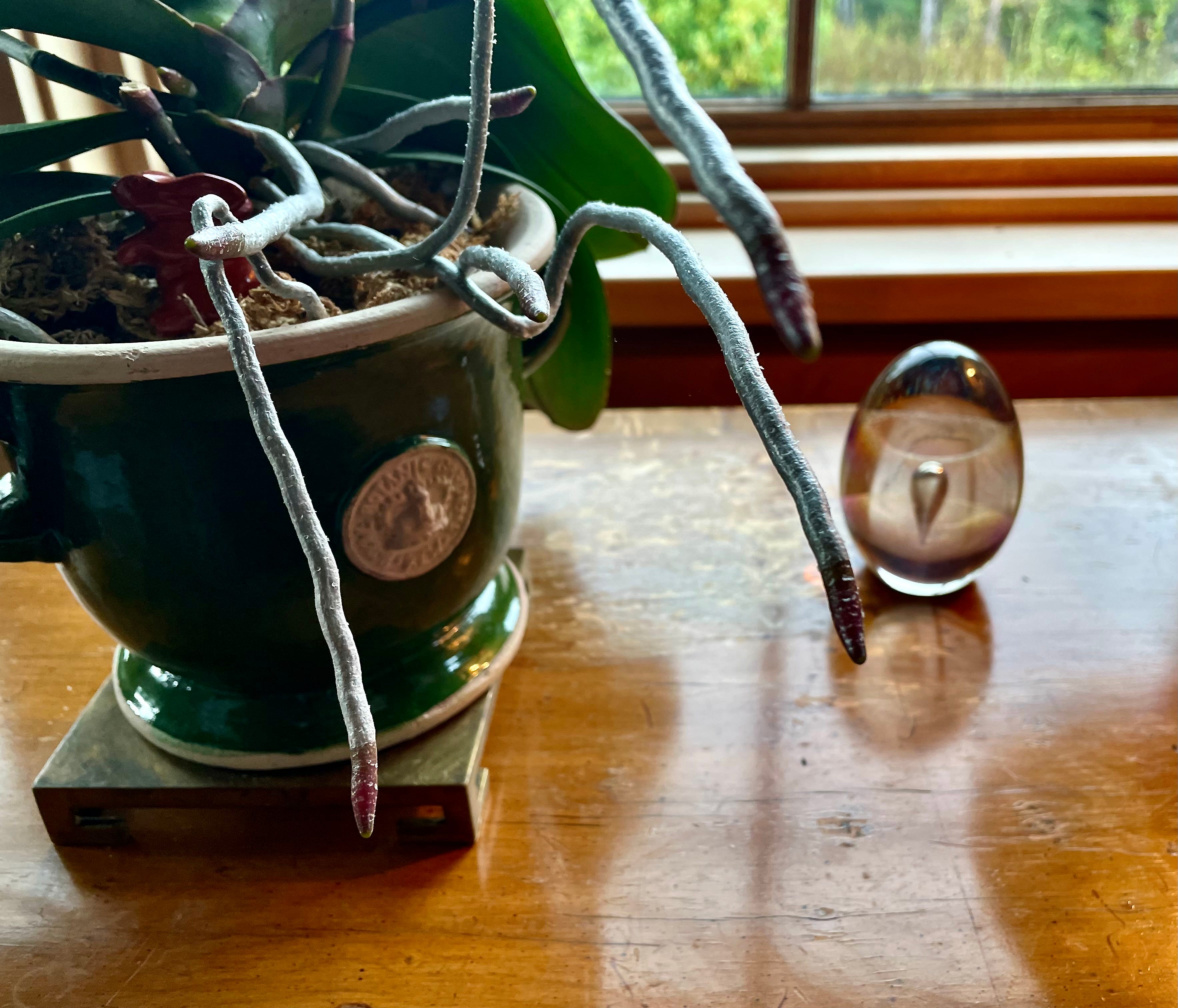
Plants have their own internal ways of reaching forward through biochemical responses to light and touch. One video below in “Sources & More” shows a morning glory seeking a place to climb, swinging and circling almost snake like until it touches something solid and curls, heads upward.
“In plant biology, thigmotropism is a directional growth movement which occurs as a mechanosensory response to a touch stimulus. Thigmotropism is typically found in twining plants and tendrils; however, plant biologists have also found thigmotropic responses in flowering plants and fungi. This behavior occurs due to unilateral growth inhibition. That is, the growth rate on the side of the stem which is being touched is slower than on the side opposite the touch. The resultant growth pattern is to attach and sometimes curl around the object which is touching the plant. However, flowering plants have also been observed to move or grow their sex organs toward a pollinator that lands on the flower.” -Wikipedia
Apical dominance means that a plant sends its strongest energy towards it furthest point. Fueling its reach, it suppresses lateral growth lower down by releasing a chemical call auxin. It’s a kind of “excuse me while I kiss the sky” tactic that serves the plant’s vertical growth as it reaches for, hopes for, light. If you want a plant to flush out or put out more bloom, you cut off the highest point and thus diminish auxin.
Biological reaching for growth, for light, water and touch seems akin to hope, one that is inherent, blind, essential. As we all now mourn the passing of Jane Goodall, I am moved to tears of admiration and awe at the post mortem video she recorded to be played only after her death. A champion for our earth and all the living things we share it with, she described herself in this way.
“I was somebody brought into this world to try to give people hope in this dark time because without hope, we fall into apathy and do nothing. And in these dark times we are living in now, if people don’t have hope, we are doomed.”
I have moments of despair each of these current days as I watch cruelty and greed take great action and thus delay the urgent preservation of our wondrous creation and our possible future.
Like a vine, we must swing circling out until we find each other as support. We must do all we can to reach for the light. We must resist and keep on digging. Keep on fighting as Jane Goodall urges. Plant hope gardens both symbolic, internal and real.
Sources & More
Morning Glory reaching video: double click to watch
Thigmotropism: Wikipedia: https://en.wikipedia.org/wiki/Thigmotropism
Apical Dominance: https://en.wikipedia.org/wiki/Apical_dominance and https://pubmed.ncbi.nlm.nih.gov/21708661/
Famous Last Words: Dr. Jane Goodall: Netflix: https://www.netflix.com/watch/82053197?trackId=259776131&tctx=-97%2C-97%2C%2C%2C%2C%2C%2C%2C%2CVideo%3A82053197%2CdetailsPagePlayButton
It’s a very fond memory, getting a call to come up to Tilghman St at twilight and being on hands and knees digging up bulbs, I think with flashlights. I remember how furious and heartbroken you were that the new owners didn’t respect what was there. Wonder if it was Jean’s lilac or a shoot from mine, that was originally from Jean? You gave me a beautiful blue plate with a chip in it that you suggested be used under a plant. I still have it and use it and think of you with love. These are precious memories. Remember your smoking in the basement?
Planted! Oxox